Fundamental Theorem of Calculus: Applying Part 1 to Find Derivatives, Study notes of Calculus

Problems inspired by stewart calculus to apply part 1 of the fundamental theorem of calculus to find the derivatives of various functions. Functions include trigonometric integrals, power functions, and more.

Typology: Study notes

2021/2022

Uploaded on 08/05/2022

jacqueline_nel
jacqueline_nel 🇧🇪

4.4

(242)

3.2K documents

1 / 1

Toggle sidebar

This page cannot be seen from the preview

Don't miss anything!

bg1
Calculus 5.4 Fundamental Theorem of Calculus (problems inspired by Stewart Calculus © 1997, 1998)
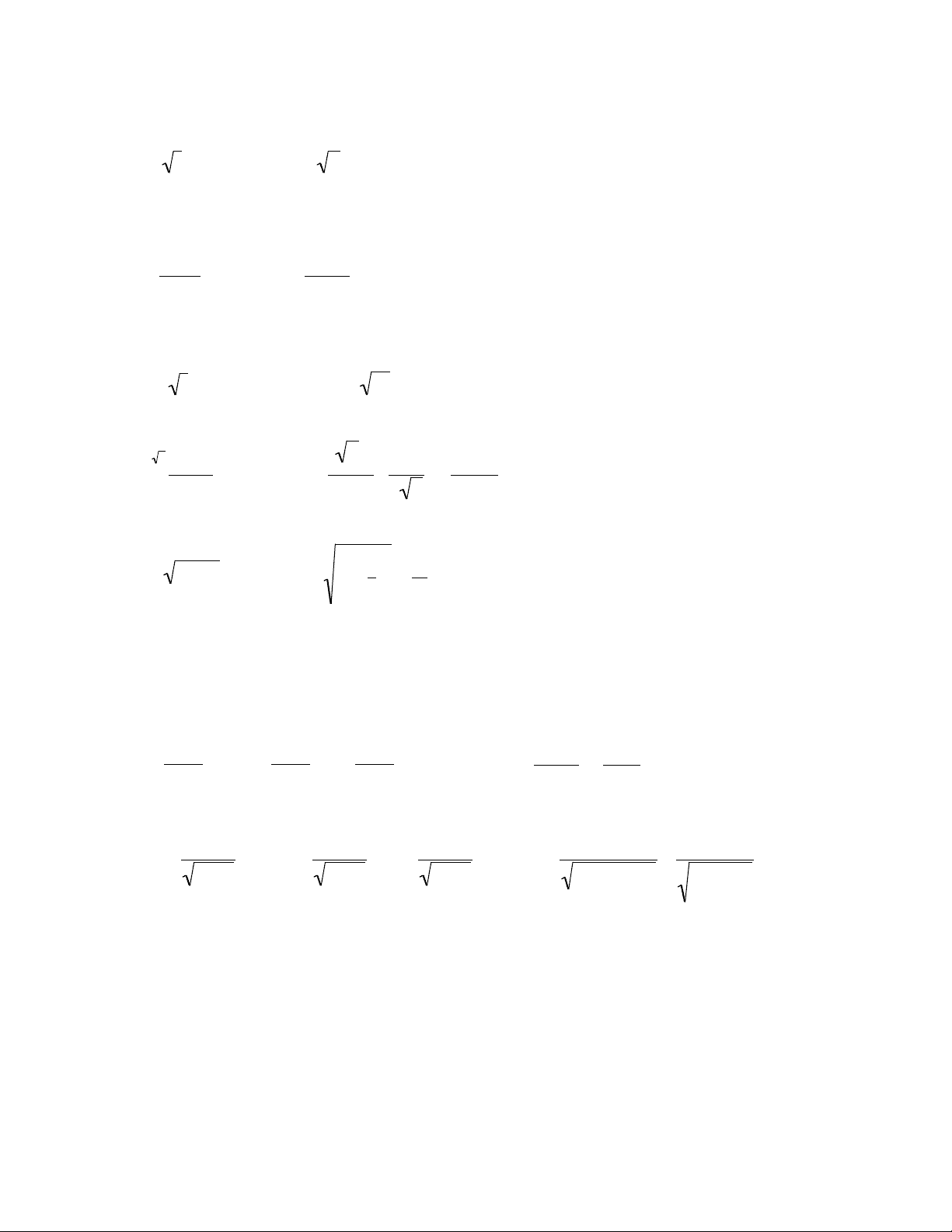
Use Part 1 of the Fundamental Theorem of Calculus to find the derivative of the given function.
1)
f(x)=tsin t
0
x
dt
"
f (x)=xsin x
2)
g(x)=t34
( )
2
6
x
dt
"
g (x)=x34
( )
2
3)
h(u)=1
3+t5
π
u
dt
"
h (u)=1
3+u5
4)
f(x)=sin t4
x
3
dt
5)
f(x)=tsin t
0
x3
dt
"
f (x)=3x2x3sin x3
( )
6)
g(x)=k3
k23
1
x
dk
"
g (x)=
x
( )
3
x3
$
%
&
&
&
'
(
)
)
)
1
2x
$
%
&
'
(
) =x
2x6
7)
h(t)=cos x2
0
1/ t
dx
"
h (t)=cos 1
t
#
$
%
&
'
(
2
1
t2
#
$
%
&
'
(
8)
f(x)=tcos t2
( )
π
sin x
dt
"
f (x)=sin xcos sin x
( )
2
#
$
% &
'
( cos x
( )
9)
f(x)=y2
y+3
3x
x
dy =y2
y+3
3x
0
+y2
y+3
0
x
!
f(x)=33x2
3x+3
#
$
%&
'
(+x2
x+3
10)
g(x)=1
3t2
cos x
x3
dt =1
3t2
cos x
0
+1
3t2
0
x3
"
g (x)=sin x
3(cos x)2+3x2
3x3
( )
2

Partial preview of the text

Download Fundamental Theorem of Calculus: Applying Part 1 to Find Derivatives and more Study notes Calculus in PDF only on Docsity!

Calculus 5.4 Fundamental Theorem of Calculus (problems inspired by Stewart Calculus © 1997, 1998)

Use Part 1 of the Fundamental Theorem of Calculus to find the derivative of the given function.

f ( x ) = t sin t

0

x

dt

f "( x ) = x sin x 2)

g ( x ) = t

3

2

6

x

dt

g "( x ) = x

3

2

h ( u ) =

3 + t

5

π

u

dt

h ( u ) =

3 + u

5

f ( x ) = sin t

4

x

− 3

dt

f ( x ) = −sin x

4

f ( x ) = t sin t

0

x

3

dt

f "( x ) = 3 x

2

x

3

sin x

3

g ( x ) =

k

3

k

2

1

x

dk

g ( x ) =

x

3

x − 3

2 x

x

2 x − 6

h ( t ) = cos x

2

0

1 / t

dx

h ( t ) = cos

t

2

t

2

f ( x ) = t cos t

2

π

sin x

dt

f "( x ) = sin x cos sin x

2

cos x

f ( x ) =

y − 2

3 x y + 3

x

dy =

y − 2

3 x y + 3

0

y − 2

0 y + 3

x

f !( x ) = − 3

3 x − 2

3 x + 3

x − 2

x + 3

g ( x ) =

3 − t

2

cos x

x

3

dt =

3 − t

2

cos x

0

3 − t

2

0

x

3

g "( x ) =

sin x

3 − (cos x )

2

3 x

2

3 − x

3

2