





Study with the several resources on Docsity

Earn points by helping other students or get them with a premium plan

Prepare for your exams
Study with the several resources on Docsity
Earn points to download
Earn points by helping other students or get them with a premium plan
The rich literary heritage of the Philippines before the colonial periods, focusing on epics and myths. Pre-colonial literature included folk tales, epics, poems, and marathon chants that were passed down through generations. The document highlights various ethno-epics, such as Biag ni Lam-ang, Aliguyon, and Sandayo, and discusses their significance to different ethnic groups. It also touches upon the importance of archaeologists, ethnologists, and anthropologists in understanding the pre-colonial times.
Typology: Essays (high school)
1 / 18

This page cannot be seen from the preview
Don't miss anything!
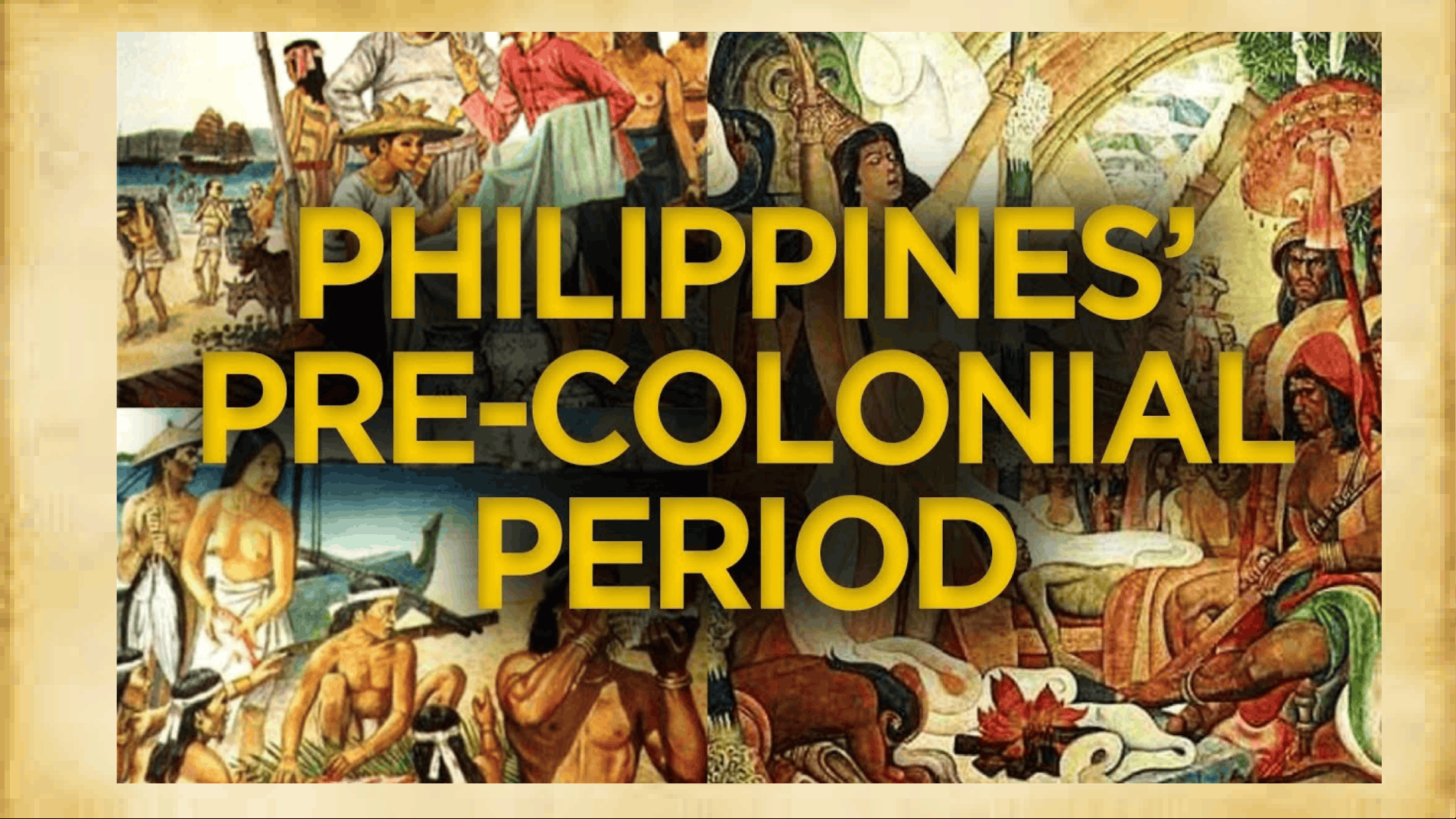
The variety and abundance of Philippine literature evolved even before the colonial periods. Folk tales, epics, poems and marathon chants existed in most ethno linguistic groups that were passed on from generation to generation through word of mouth. Some of these pre-colonial literary pieces showcased in traditional narratives, speeches and songs are Tigmo in Cebuano, Bugtong in Tagalog, Potototdon in Bicol and Paktakon in Illonggo.
Owing to the works of our own archaeologists, ethnologists and anthropologists, we are able to know more and better judge information about our pre- colonial times set against a bulk of material about early Filipinos as recorded by Spanish, Chinese, Arabic and other chroniclers of the past.
Epic is a long poem, typically one derived from ancient oral tradition, narrating the deeds and adventures of heroic or legendary figures or history of a nation.
Biag ni Lam-ang (Life of Lam- ang) of the Ilocanos narrates the adventures of the prodigious epic hero, Lam-ang who exhibits extraordinary powers at an early age. At nine months he is able to go to war to look for his father’s killers. Then while in search of lady love, Ines Kannoyan, he is swallowed by a big fish, but his rooster and his friends bring him back to life.
Aliguyon or the Hudhud of the Ifugaos tells of the adventures of Aliguyon as he battles his arch enemy, Pambukhayon among rice fields and terraces and instructs his people to be steadfast and learn the wisdom of warfare and of peacemaking during harvest seasons.
Other epics known to most Filipinos are the Ibalon of Bikol , Darangan which is a Muslim epic , the Kudaman of Palawan , the Alim of the Ifugao , Bantugan of the Maranao , the Hinilawod of Panay , and the Tuwaang of Manobos.
The Tagalogs’ pride their Myth of Bernardo Carpio, a folk hero said to hold the mountains of San Mateo apart with his powerful arms to prevent them from colliding.
LITERARY FORMS DURING THE PRE- COLONIAL PERIOD
MYTH Myth is a narrative that describes and portrays in symbolic language the origin of the basic elements and assumptions of a culture. Mythic narrative relates, for example, how the world began, how humans and animals were created, and how certain customs, gestures, or forms of human activities originated. Almost all cultures possess or at one time possessed and lived in terms of myths.
WORLD LITERATURE : In the cold northern countries, where the sun disappears almost completely during the winter season, great fires were lit in the midwinter to help the sun to be reborn. The ancient Greeks tell a myth in which Prometheus stole fire from Zeus, the chief god, and gave it to humans so that they could keep themselves warm. To punish him, Zeus chained Prometheus to a rock where his liver was eaten by an eagle every day but grew again every night.
Myths from the Different Regions of the Philippines a. The Gods and Goddesses (Ilocos) b. Why There is a High Tide during a Full Moon (Ibanag) c. Why the Dead Come Back No More (Ifugao) d. Mag-asawang Tubig (Tagalog) e. How the Moon and the Stars Came to Be (Bukidnon – Mindanao)
