



Global Silk Trade
1570-1700
Introduction
Prof. Spohnholz
August 18, 2022
Lesson | 01


Study with the several resources on Docsity

Earn points by helping other students or get them with a premium plan

Prepare for your exams
Study with the several resources on Docsity
Earn points to download
Earn points by helping other students or get them with a premium plan
An introduction to a university lesson on the global silk trade during the 16th and 17th centuries. The lesson plan includes an agenda, map activity, and discussions on early modern globalization and the Pacific trade. Students are required to write a short paper answering one of the given questions using evidence from the readings and primary sources. The document also includes a discussion on the values represented in today's fashion and the relevance of various locations in early Trans-Pacific trade.
Typology: Essays (high school)
1 / 20

This page cannot be seen from the preview
Don't miss anything!
Introduction Prof. Spohnholz August 18, 2022 Lesson | 01
AGENDA
Write a short (800–900 word) paper that answers one of the following questions. Use evidence from each of the 4 short readings and at least 4 primary sources from this module.
GLOBALIZATION
GLOBALIZATION What is the value of a polycentric view of globalization?
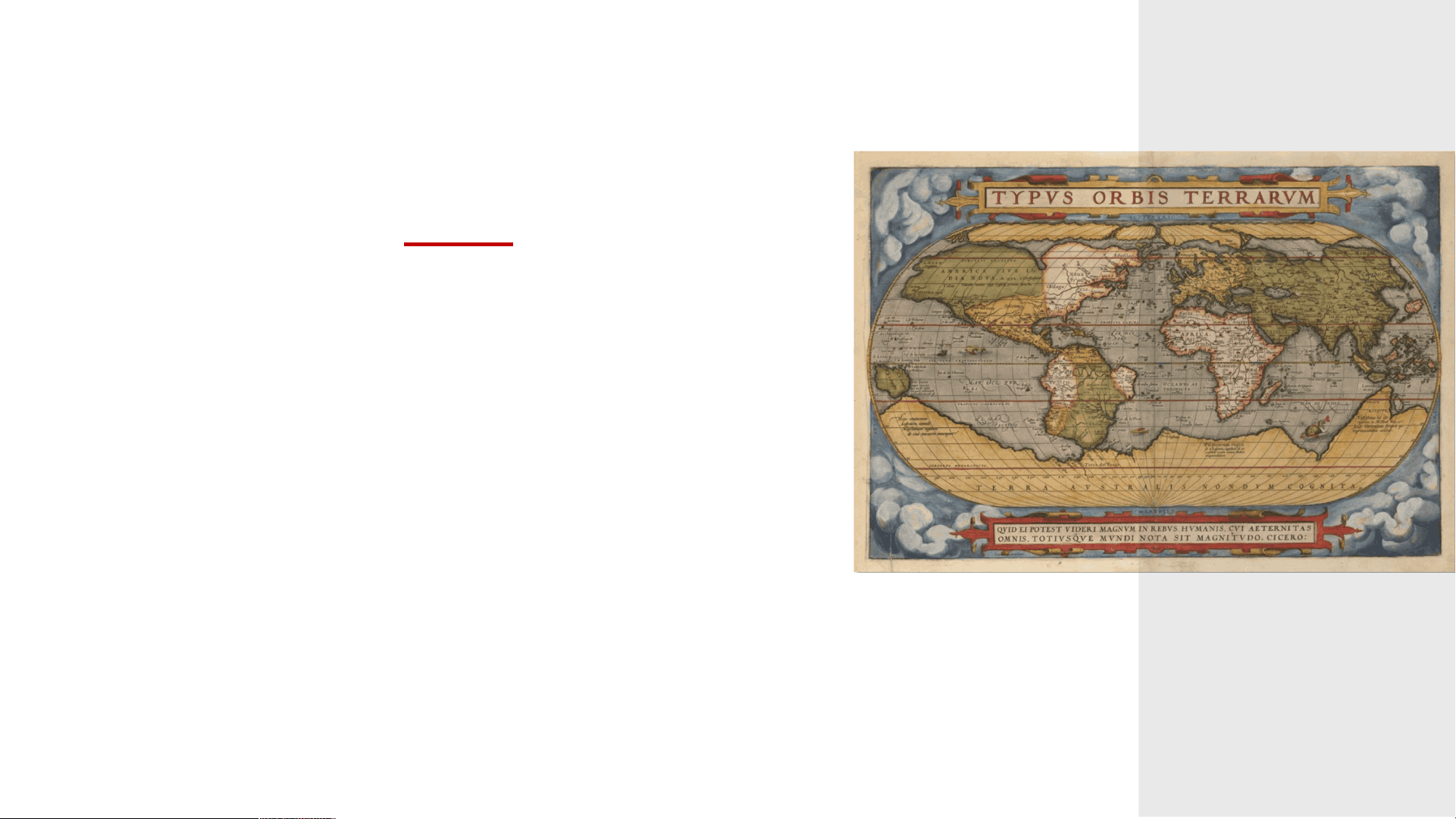
MAP ACTIVITY Identify the locations of the following cities in the 1570s:
DISCUSSION 2: Now that we’ve mapped these locations, let’s see if we can identify the relevance of as many of these locations for early Trans-Pacific trade as we can, based on Reading 1.
Then organize them by geography, which should start helping you see patterns in the evidence as you collect it these three weeks Ming China : New Spain : Peru : Pacific Ocean Europe
DISCUSSION 3: Next, let’s see how many economic, cultural, demographic, and environmental, and political features of this early globalization we know about already, and which ones we still need to learn.
The Five C’s of Historical Thinking
Section Time Room Teaching Assistant 29 9:10-10:00 AM Wilson 5 Sreya Mukherjee 30 9:10-10:00 AM Wilson 3 Jordan Bergstrom 31 10:10-11:00 AM Wilson 5 Sreya Mukherjee 32 11:10-noon AM Wilson 5 Cassie Crisman 33 12:10:1:00 PM Wilson 4 Cassie Crisman 34 1:10-2:00PM Wilson 4 Sreya Mukherjee 35 2:10-3:00 PM Wilson 4 Cassie Crisman 36 10:10-11:00 AM Wilson 3 Jordan Bergstrom 37 11:10-noon AM Wilson 3 Mina Park 38 12:10:1:00 PM Wilson 3 Mina Park 39 1:10-2:00PM Wilson 5 Jordan Bergstrom 40 2:10-3:00 PM Wilson 5 Mina Park Before class: Complete Discussion Post #2.
