
In-Class Activity: Identifying Normal Distributions - Prof. Patrick S. Murphy, Assignments of Data Analysis & Statistical Methods

The rules for an in-class activity where students work in teams to identify which normal distribution is being discussed in a given paragraph. Each team member has a specific role in the process, which includes identifying key phrases, writing down symbols and formulas, calculating mean and standard deviation, and drawing the normal distribution model. The activity encourages equal participation, polite disagreement, and consensus-building. Students switch roles for each new paragraph interpretation.

Typology: Assignments

Pre 2010

Uploaded on 08/03/2009

koofers-user-b7m
koofers-user-b7m 🇺🇸

10 documents

1 / 1

Toggle sidebar

This page cannot be seen from the preview

Don't miss anything!

bg1
In-class activity rules for students.
This is a timed activity!
Teams of four:
Everyone reads the paragraph and discusses which normal distribution is being
discussed. All must agree on the answer.
Roles: You may guide your teammates to finishing their task but you cannot do
their task for them!
o Role #1: One person writes down the words/phrases in the english
paragraph that led the team to conclude which normal distribution is being
represented.
o Role #2: One person writes down the symbols/notation and the mean and
standard deviation formulas that correspond to the normal distribution.
o Role #3: Another person substitutes the appropriate numerical values into
the mean and standard deviation formulas and calculates the results.
o Role #4: The last person draws the normal distribution model with results
of the mean and three standard deviations each way.
Expected Social Behaviors: Equal participation, checking for consensus, polite
disagreement.
You are not required to answer any question posed within the paragraph.
Switch Roles: For the next paragraph interpretation, each team member chooses a
Role that they did not have before.
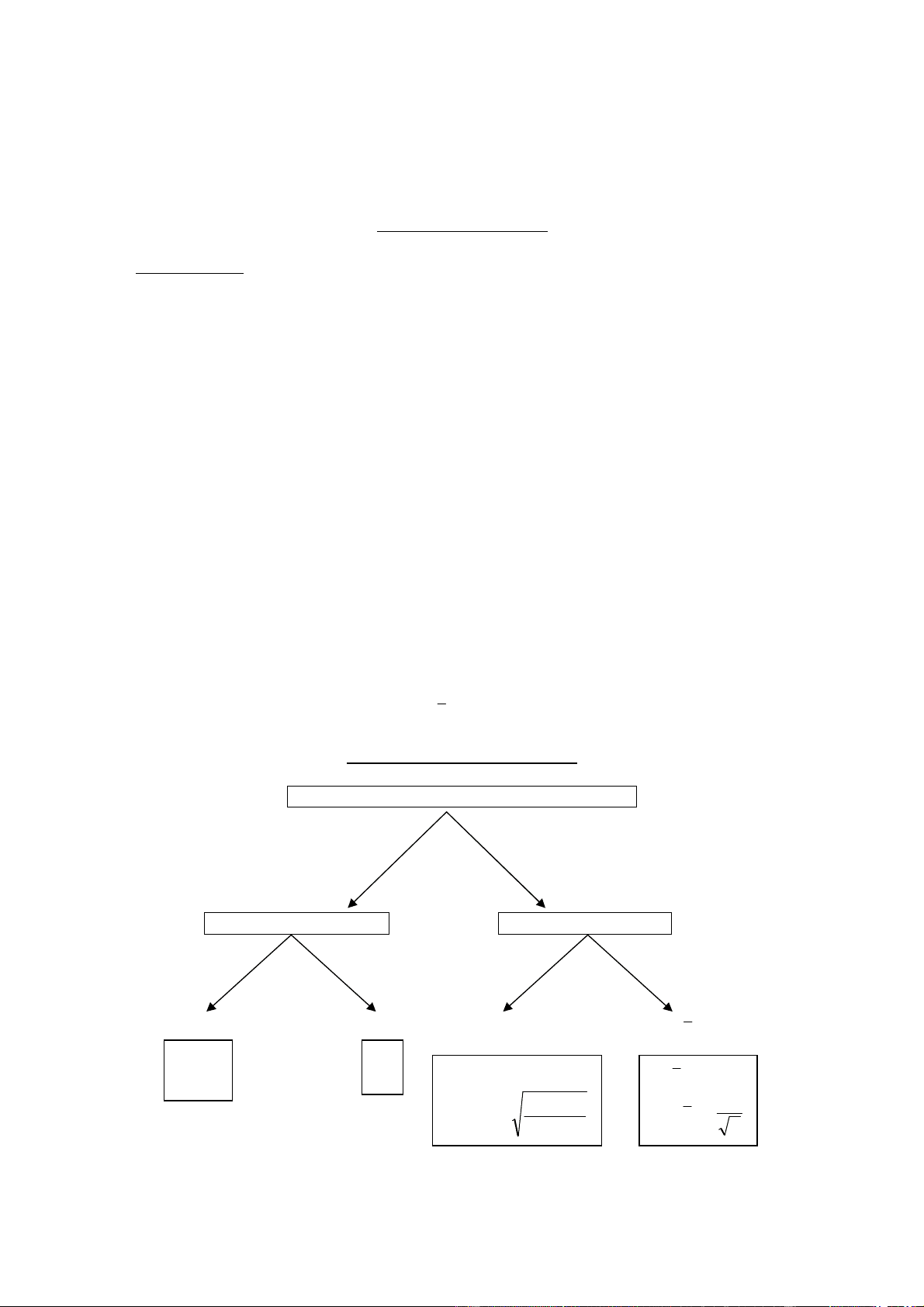
HINT: The four generic types of normal distributions taught in the course
so far are (in symbols)
z
,
x
,
p
ˆ
,
x
.
NORMAL DISTRIBUTIONS
Do you take a sample of size greater than one?
NO YES
Population Distribution Sampling Distribution
Standard Normal
otherwise proportion of mean of
Curve sample sample
Z X
p
ˆ
x
1
0
=
=
σ
µ
σ
µ
(
)
( )
n
pp
pSD
pp
)1(
ˆ
ˆ
=
=
µ
(
)
( )
n
xSD
x
σ
µµ
=
=

Partial preview of the text

Download In-Class Activity: Identifying Normal Distributions - Prof. Patrick S. Murphy and more Assignments Data Analysis & Statistical Methods in PDF only on Docsity!

In-class activity rules for students.

This is a timed activity!

Teams of four:

  • Everyone reads the paragraph and discusses which normal distribution is being discussed. All must agree on the answer.
  • Roles: You may guide your teammates to finishing their task but you cannot do their task for them! o Role #1: One person writes down the words/phrases in the english paragraph that led the team to conclude which normal distribution is being represented. o Role #2: One person writes down the symbols/notation and the mean and standard deviation formulas that correspond to the normal distribution. o Role #3: Another person substitutes the appropriate numerical values into the mean and standard deviation formulas and calculates the results. o Role #4: The last person draws the normal distribution model with results of the mean and three standard deviations each way.
  • Expected Social Behaviors: Equal participation, checking for consensus, polite disagreement.
  • You are not required to answer any question posed within the paragraph.
  • Switch Roles: For the next paragraph interpretation, each team member chooses a Role that they did not have before.

HINT : The four generic types of normal distributions taught in the course so far are (in symbols) z , x , p ˆ , x.

NORMAL DISTRIBUTIONS

Do you take a sample of size greater than one?

NO YES

Population Distribution Sampling Distribution

Standard Normal otherwise proportion of mean of Curve sample sample

Z X p ˆ^ x

σ

μ σ

μ

n

p p SD p

p p

( 1 ) ˆ

n

SDx

x σ

μ μ

=