


Study with the several resources on Docsity
Earn points by helping other students or get them with a premium plan
Prepare for your exams
Study with the several resources on Docsity
Earn points to download
Earn points by helping other students or get them with a premium plan
These file shows the long lecture about literature
Typology: Lecture notes
1 / 6
This page cannot be seen from the preview
Don't miss anything!


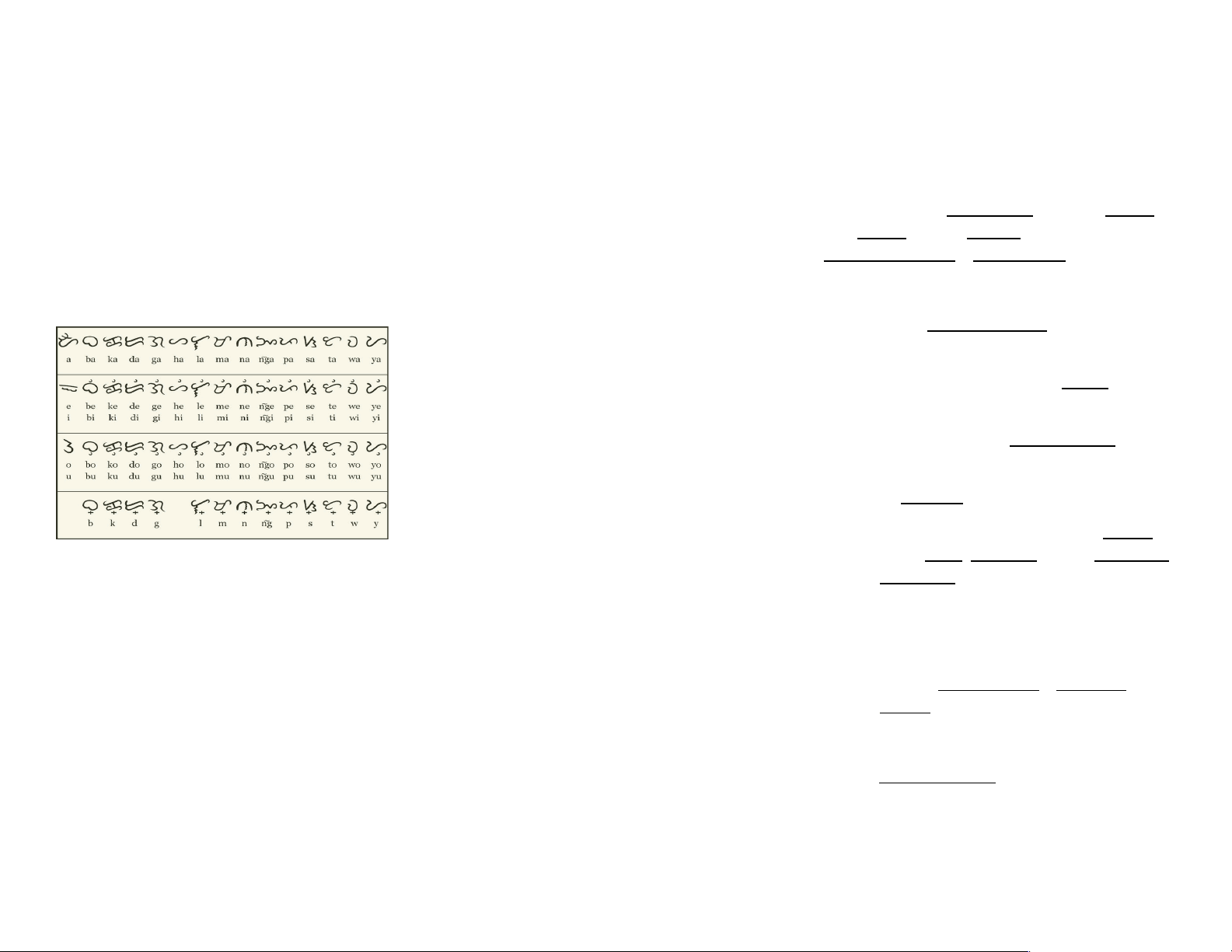
Our ancient literature shows our customs and traditions in everyday life as traced in our folk stories, old plays and short stories. The first alphabet used by our ancestors was similar to that of the Malayo-Polynesian alphabet also known as Alibata****. HISTORICAL BACKGROUND Our ancient literature is presented in the following forms: ● Legends ● Folk tales ● Epics ● Folk Songs ● Epigrams, riddles, chants ● Proverbs and sayings. All records were burned by the Spanish friars for believing that all of these are some part of demonic ritual. And it had been easy for them since all of our records are written in bark of trees, dried leaves, cave walls, and bamboo cylinders. Our ancient literature also involves mythical creatures like: ● Minokawa (Bagobo) - dragon-bird made of silver ● Balbal (Tigbanua) - corpse-eating witch ● Numputol (Ifugao) - self-beheading wherein his head breathes fire ● Buso (Bagobo) - shadow that sips everything from a corpse except the bones ● Tikbalang (Tagalog) - mixed centaur ● Sigbin (Waray) - combination of dog and kangaroo that walks backwards ● Batibat (Ilocano) - huge woman that sits on the chest if you cut her tree ● Palasekan (Ilonggo) - invisible whistling creature who loves dirty secrets ● Santelmo - also known as St. Elmo’s Fire ● Danag (Cebuano) - helps in cultivating taro plant but also sips blood
started when the GOMBURZA (Mariano Gomez , Jose Burgos , Jacinto Zamora ) were guillotined on February 17, 1872 at Bagumbayan. THE PROPAGANDA MOVEMENT ❖ To get equal treatment for the Filipinos and the Spaniards under the law. ❖ To make the Philippines a colony of Spain. ❖ To restore Filipino representation in the Spanish Cortes. ❖ To Filipinize the parishes. ❖ To give the Filipinos freedom of speech , of the press , assembly and for redress of grievances.
(Jose Protacio Rizal Mercado Alonzo y Realonda) born on June 19, 1861 at Calamba, Laguna Educational Background: ❖ Teodora Alonzo – mother and his first teacher ❖ studied in Ateneo Manila
❖ started medicine in University of Santo Tomas and finished in Universidad Central of Madrid ❖ also studied in the University of Berlin, Leipzig and Hiedelberg ❖ died on December 30, 1896 in Bagumbayan (musketry) ❖ his pen-names were: Laong Laan and Dimasalang ❖ Noli Me Tangere (Touch-Me-Not)
born on August 30, 1850 at Cupang, San Nicholas, Bulacan Educational Background: ❖ last year in law school was interrupted for 8 years after he had a quarrel with the priest during a baptism on San Miguel, Manila in 1880 ❖ died on July 4, 1896 at Barcelona, Spain due to Tuberculosis ❖ his pen-names were: Plaridel , Pupdah , Piping Dilat , and Dolores Mandapat ❖ established Diariong Tagalog * in 1882 (exposed the evils of Spanish government and avid false accusations hurled at him by priests.) ❖ to avoid banishment, he was forced (exiled) to go to Spain in 1888. ❖ replaced Graciano Lopez Jaena as editor of La Solidaridad * (a paper which became the vehicle thru which reforms in the government could worked out.) ❖ assisted by Fr. Serrano Laktaw in publishing a different Catechism and Passion Book wherein they made fun of the priest ❖ they also made Dasalan at Tocsohan and Kaiingat Kayo * (*from the word IGAT , a kind of snake fish in politics) Literary works: ❖ Pag-ibig sa Tinubuang Lupa (Love of Country)
❖ pharmacist banished to Spain ❖ pen-name: Tagailog ❖ died on June 1899 by Aguinaldo’s soldiers Literary works: Noche Buena (Christmas Eve)
❖ editor-in-chief, biographer and researcher (Propaganda Movement) ❖ pen-names: Tikbalang , Kalipulako , Naning Literary works: Mga Alamat ng Bulacan (Legend of Bulacan)
❖ scholar, dramatist, researcher and novelist (Propaganda Movement) ❖ 1st Filipino writer who escaped censorship of the press during the last day of Spanish colonization Literary works: Ninay
❖ pen-name: JORMAPA ❖ photographic mind Literary works: Ang Lupang Tinubuan (My Native Land) Ang Aking Buhay (My Life) Su Plano Estudio (Your Study Plan) El Pensamiento (The Thinking)
La Liga Filipina– caused Rizal’s exile to Dapitan Gist of Literature: ● accusation to the government
● unite and purpose for independence
❖ Father of Filipino Democracy ❖ Father of Katipunan (KKK) Literary works: Ang Dapat Mabatid ng mga Tagalog (What the Tagalogs Should Know) Katungkulan Gagawin Ng Mga Anak Ng Bayan (Obligations of Our Countrymen)
- outline of obligations just like the 10 commandments of God Pag-ibig sa Tinubuang Lupa (Love of One’s Native Land) Huling Paalam (Last Farewell) - Tagalog translation of Mi Ultimo Adios of Rizal Emilio Jacinto ❖ intelligent assistant of Bonifacio ❖ Brains of Katipunan ❖ edited Kalayaan (Katipunan’s newspaper) Literary works: Kartilya ng Katipunan (A primer book on the Katipunan) Liwanag at Dilim (Light and Darkness) collection of essays on different subjects like freedom, work, faith, government and love of country A Mi Madre (To My Mother) touching ode to his mother A La Patria (To My Country) considered as his masterpiece Apolinario Mabini ❖ sublime paralytic ❖ Brains of Revolution Literary works: El Verdadero Decalogo (The True Decalogue or Ten Commandments) propagating the spirit of nationalism El Desarollo Y Cadia De La Republica Pilipina (The Rise and Fall of the Philippine Republic) Sa Bayang Pilipino (To the Filipino Nation) O Pahayag (News)
Jose Palma ❖ Himno Nacional Filipino (The Philippine National Anthem) which set to music by Julian Felipe Literary works: El Melancolias (Melancholies) collection of his poems De Mi Jardin (In My Garden) poem expressing one’s longing for his sweetheart NEWSPAPERS DURING THE REVOLUTION a) Heraldo De La Revolucion
● independence from Spain ● June 12, 1898 → independence (waving of the flag by General Emilio Aguinaldo ) ● Fil. – American War → resulted in the defeat of General Miguel Malvar in 1903