Download Managing Weight and Lifestyle: A Detailed Lesson Plan for Grade 10 Physical Education and more Schemes and Mind Maps Physical education in PDF only on Docsity!
DETAILED LESSON PLAN FORMAT
DLP No.: Learning Area: P.E Grade Level: 10 Quarter: first Duration: 2 sessions Learning Competency/ies: Key Concepts/ Understandings to be Developed: Demonstrates understanding of the managing weight and lifestyle
1. Objectives Knowledge Describe the meaning and importance of managing weight and lifestyle; **Skills Assess eating habits based on the Philippine Food Pyramid/My Food Plate. Attitudes Understand risk factors for lifestyle diseases (obesity, diabetes, heart disease) Values
- Content/ Topic managing weight and lifestyle
- Learning Resources/ Materials/ Equipment** Powerpoint presentation, Videos, Cartilina/ Manila paper, Pentel pen, Laptop, Projector/TV 4. Procedures 4.1. Introductory Activity (3mins.) Preparations
- Prayer
- Checking of Attendance
- Recalling past topic
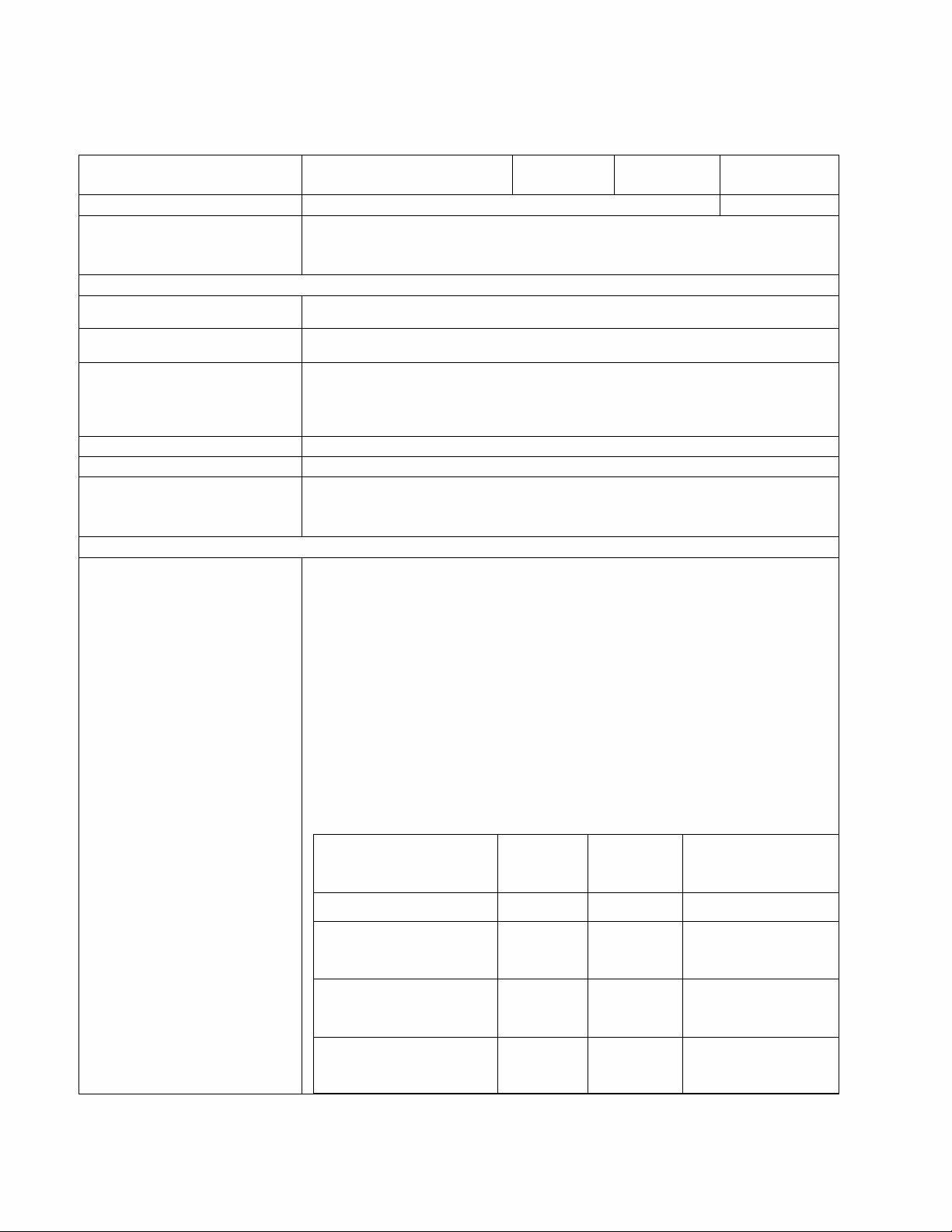
- WEIGHT, THERE’S MORE! Lesson 3 Activity 1. WEIGHT, THERE’S MORE! Using the checklist, put a check mark (√) on the practices that show healthy weight management and a cross mark (x) on the unhealthy ones. Explain your answer briefly. Healthy and Unhealthy
Practices Health
y
Unhealt
hy
Reason(s)
1.Eating fruits daily
2.Eating in
moderation.
3.Skipping meals
on a regular basis.
4.Consuming
sweets
uncontrollably
5.Substituting
water for rice
6.Eating meat
products
moderately
7.Choosing to eat
home-cooked
meals rather than
buying fast food
items
8.Leaving out
vegetables when
eating sinigang
9.Minimizing
intake of deep
fried food
10.Drinking
beverages like soft
drinks, as the first
options
4.2. Activity (7 mins.)
SURVEY SURVEY!!
▪ The class will be divided into 2 groups ▪ They will going to answer a set of question through a representative. ▪ Both groups will race to get more score Each correct answer is 2 points Choose the letter as your correct answer.
- What aspect of your lifestyle can be considered a risk factor that cannot be changed? A. Genetics B. Energy
B. Normal D. Obese
- What habit should you modify, when you are at risk of disease? A. Playing Habit C. Eating Habit B. Praying Habit D. Reading Habit
- A person who study or is an expert in nutrition. A. Clinical Nurse C. Pathologist B. Nutritionist D. Therapist
- ________ is a disease that occurs when the body can’t use glucose (a type of sugar) normally. A. Diabetes C. Hepatitis A and B B. Tuberculosis D. Influenza
- ________ refers to a condition that involve narrowed or blocked blood vessels that can lead to heart attack. A. Heart disease C. Diabetes B. High Blood D. Tuberculosis
- ________ is the process of providing or obtaining the food necessary for health and growth. A. Digestion C. Nutrition B. Health D. Excretion 4.3. Analysis (10 mins.) Are You Physically Healthy? Do You Usually Eat Healthy Food? How Do You Handle Your Daily Routine? Engaging To Different Recreational Activity Will Help You Stay Mentally And Physically Healthy. Give Four Kinds Of Recreational Activities That You Usually See In Your Community. Why Do You Think People Do These Kinds Of Activities? Give Some Reasons. 4.4. Abstraction (15 mins.)
Weight and Managing it!
Your lifestyle includes the nutrition practices you observe. Which among the practices are considered healthy and which are unhealthy? Which of these do you do? Now is a good time to review and change those unhealthy habits for a healthier lifestyle. You might find other individuals lucky because they eat a lot but do not gain weight as much as you do. You might also think it is unfair that though you limit your food intake, you do not lose as much weight as you want to. This is because your weight is a result of metabolic responses of your body to your food intake, energy expenditure, and physiologic processes. A simple elimination of food or addition of physical activity does not encompass the entirety of weight management. Understanding how your body works is vital key as well as a combination of healthy food practices and a more active lifestyle.
The concepts of weight gain and weight loss are important in weight management. How to gain and lose weight are probably some of the more common issues when it comes to health. Along with this concept is weight maintenance. To understand it in simple terms, energy expenditure is the amount of energy spend through physical activity, while energy consumption is the amount of energy you take in through food. They both play key roles in weight management. A simple formula is shown: Weight Gain = energy consumed is greater than energy expended = more food intake but less physical exertion. Weight Loss = energy consumed is less than the energy expended = more physical exertion but less food intake Weight Maintenance = energy consumed equals energy expended = physical exertion is the same with food intake Modifying you’re eating habits can aid you in managing your weight. Opting for more nutritious food can help lessen health risk and improve your physique. Some of the common tips in weight management are including fruits and vegetables in your meals, reducing intake of sweets, preparing your meals in a healthier way, and decreasing portion sizes. Aside from taking note of your eating habits, you should also take note of your actual weight as an indicator of health risk. This has to do with getting your Body Mass Index (BMI). It is a rough measure of body composition that is useful for classifying the health risks of body weight.
ACTIVE RECREATION
Are you physically healthy? Do you usually eat healthy food? How do you handle your daily routine? This module will help you know and develop your lifestyle, manage your weight and also modify your eating habits. Engaging to different recreational activity will help you stay mentally and physically healthy. Draw four kinds of recreational activities that you usually see in your community. Why do you think people do these kinds of activities? Give some reasons.
Lifestyle and Managing It
Lifestyle is what we called individual interest, opinion, behavior, behavioral orientation or just simple means a way of person lives. Our everyday routine at home, school or at work, is an example of individual behavior. Managing your lifestyle is very important. Living a balanced life that includes eating proper healthy food, daily exercise, enough sleep and a good relationship to others. You might find it hard to attain but when you modify your lifestyle it will gradually change you and make you physically and mentally healthy.
Write your answer on a sheet of paper.
- It is what we called individual interest, opinion and behavior. I F S Y E
- An illness also known as chronic disease. N N - C M N C A E
- A variable associated with an increased risk of disease or infection. I K - F C T R
- A kind of disease that involve heart and blood vessels. Ex. Heart Attack. C R D V S L R
- Is a disease in which your blood glucose, or blood sugar, levels are too high? D A B T S **6. Assignment
- Wrap- up/ Concluding Activity: Prepared by: Name: Christilah Mae L. Nuera School: Soom High School Position/ Designation: TEACHER 1 Division: Trinidad Contact Number: 09104930977 Email address: [email protected]**